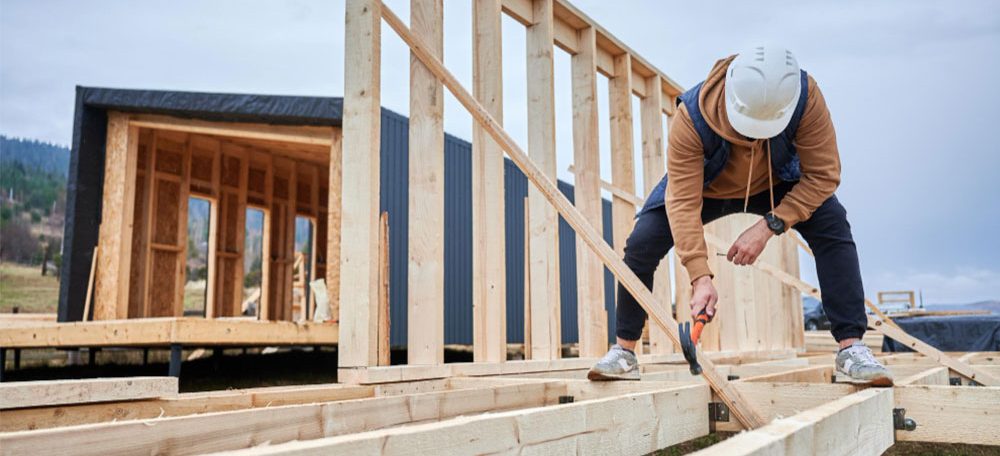
A small construction company often represents years of hands-on effort, project execution, and relationship building within a competitive market. When the time comes to consider selling a small construction company, preparation becomes a defining factor in the outcome.
Buyers examine far more than revenue. They evaluate backlog, workforce stability, equipment condition, and long-term profitability.
A structured approach allows business owners to present a well-positioned company, attract qualified buyers, and move through the transaction process with greater confidence and clarity from the outset.
1. Clarify Your Exit Goals
Before entering the market, define what a successful sale looks like. Consider your desired sale price, timeline, and level of involvement after closing. Some owners prefer a complete exit, while others remain for a transition period.
Clear goals guide decision-making throughout the process and help shape deal structure discussions during business sales.
2. Organize Financial Records
Accurate financial documentation forms the backbone of any transaction. Buyers review historical performance to assess profitability and risk.
Prepare:
- Profit and loss statements
- Balance sheets
- Tax returns
- Cash flow reports
Clean and consistent records build trust and allow buyers to evaluate your company with confidence.
3. Obtain a Professional Valuation
A valuation offers insight into what your business is worth in the current market. It considers revenue trends, profit margins, assets, and industry conditions.
This step also highlights areas that may affect pricing, giving you time to make improvements before listing the business.
4. Review Project Backlog and Pipeline
In construction, future revenue plays a significant role in buyer interest. A strong backlog signals stability and ongoing demand.
Evaluate:
- Signed contracts
- Pending bids
- Long-term agreements
A well-documented pipeline demonstrates growth potential and strengthens your position when you sell your business.
5. Assess Equipment and Asset Condition
Construction companies rely heavily on physical assets. Buyers will examine the quality, age, and maintenance history of equipment.
Create a detailed asset list that includes:
- Machinery and tools
- Vehicles
- Real estate or facilities
Well-maintained equipment reflects operational discipline and reduces perceived risk.
6. Strengthen Your Workforce Structure
A capable and stable team adds measurable value to your company. Buyers look for experienced employees who can maintain operations after the transition.
Review:
- Employee roles and responsibilities
- Retention rates
- Leadership structure
A business that operates independently of the owner often attracts stronger offers.
7. Standardize Operational Processes
Clear and documented processes make your business easier to transfer. Buyers prefer companies with defined systems rather than informal workflows.
Focus on:
- Project management procedures
- Estimating and bidding methods
- Safety protocols
- Vendor relationships
Documented systems create consistency and reduce uncertainty during due diligence.
8. Evaluate Market Position and Competition
Understanding your competitive position helps you present your company effectively. Buyers want to know how your business compares within the local and regional market.
Consider:
- Service offerings
- Pricing structure
- Reputation within the industry
- Market share
Highlighting your strengths allows buyers to see long-term potential beyond current operations.
9. Update Technology and Systems
Technology plays a growing role in construction operations. Buyers often review how effectively a company uses modern tools.
Assess:
- Project management software
- Estimating tools
- Communication systems
- Financial tracking platforms
Modern systems improve efficiency and signal readiness for future growth.
10. Prepare for Due Diligence
Due diligence is one of the most detailed stages of selling a small construction company. Buyers will examine financial, legal, and operational records in depth.
Prepare a comprehensive package that includes:
- Contracts and agreements
- Licensing and permits
- Insurance documentation
- Employee records
Being organized at this stage reduces delays and keeps the transaction moving forward.
11. Develop a Confidential Sales Strategy
A well-structured sales strategy protects your business during the transaction process. Confidentiality helps maintain stability among employees, clients, and suppliers.
M&A advisors and business brokers manage this process by identifying qualified buyers, coordinating communication, and guiding negotiations. Their involvement allows you to stay focused on operations while advancing toward a successful sale.
Key Factors That Influence Valuation
Beyond preparation, several factors affect how buyers value your construction company.
● Financial Performance
Consistent revenue growth and strong profit margins attract buyer interest. Buyers also examine cost control and cash flow stability.
● Client Relationships
A diversified client base reduces risk. Long-term relationships and repeat business strengthen perceived value.
● Industry Conditions
Market demand, economic trends, and regional development activity all influence buyer appetite.
● Risk Profile
Projects with predictable timelines and manageable risk levels appeal more to buyers.
● Growth Potential
Opportunities for expansion, new services, or geographic reach can increase valuation.
The Process of Selling a Construction Company
Selling a construction business follows a structured path. Understanding each phase helps you prepare for what lies ahead.
● Initial Planning
Define goals, organize records, and align with advisors.
● Marketing the Business
Confidential outreach targets qualified buyers.
● Buyer Interest
Interested parties review information and request additional details.
● Letter of Intent
Preliminary terms, including price and structure, are outlined.
● Due Diligence
Buyers conduct a thorough review of all aspects of the business.
● Final Agreement and Closing
Both parties finalize terms, and ownership transfers.
Each stage requires attention to detail and careful coordination. Preparation at the beginning reduces challenges later in the process.
Common Challenges to Address Early
Many owners encounter similar obstacles when selling a small construction company. Addressing these issues in advance can improve results.
Common concerns include:
- Incomplete financial records
- Heavy reliance on the owner
- Outdated equipment
- Limited documentation of processes
- Client concentration
Identifying and resolving these areas positions your business more favorably in the market.
Planning for Transition After the Sale
The transaction does not end at closing. A clear transition plan supports continuity and protects the value of the business.
Consider:
- Training the new owner
- Communicating with employees and clients
- Transferring contracts and relationships
- Defining your role after the sale
A smooth transition builds confidence and supports long-term success for both parties.
Making an Informed Decision
Selling a small construction company is both a financial and personal decision. Preparation allows you to move forward with clarity and control. By organizing your business, understanding market expectations, and aligning with experienced advisors, you can approach the process with confidence and achieve a more favorable outcome.
Work With Strategic Business Brokers Group
At Strategic Business Brokers Group, we guide business owners through every stage of selling a small construction company. As experienced M&A advisors and business brokers, we position your company, connect you with qualified buyers, and manage negotiations with a focused approach.
If you are ready to sell your business, speak with our team to begin your next chapter with a clear plan.